
about black flag
We design and build with five core principles.
We build with intention. Every design choice reflects a single belief: that the land, the people, and the structure should all benefit together. We approach each project as an opportunity to strengthen community autonomy and long-term resilience.
We source and think locally. We work with local materials, local labor, and local knowledge. We think in generations, not trends. We design with purpose, story, and soil, centering local stewardship and craft in every project.
We design for listening. Architecture is not about spectacle. It's about listening to what communities need, what land can sustain, and what people deserve. Design should serve sovereignty, not sales.
We operate across scales. From home renovations to cooperative infrastructure, from backyard systems to long-range planning, we bring the same careful attention. Whether it's a garage addition or a systems map for a regenerative farm, we approach each with equal intention.
We build more than structures. We build stories, systems, and trust. We help communities establish the physical and organizational foundations for thriving together.
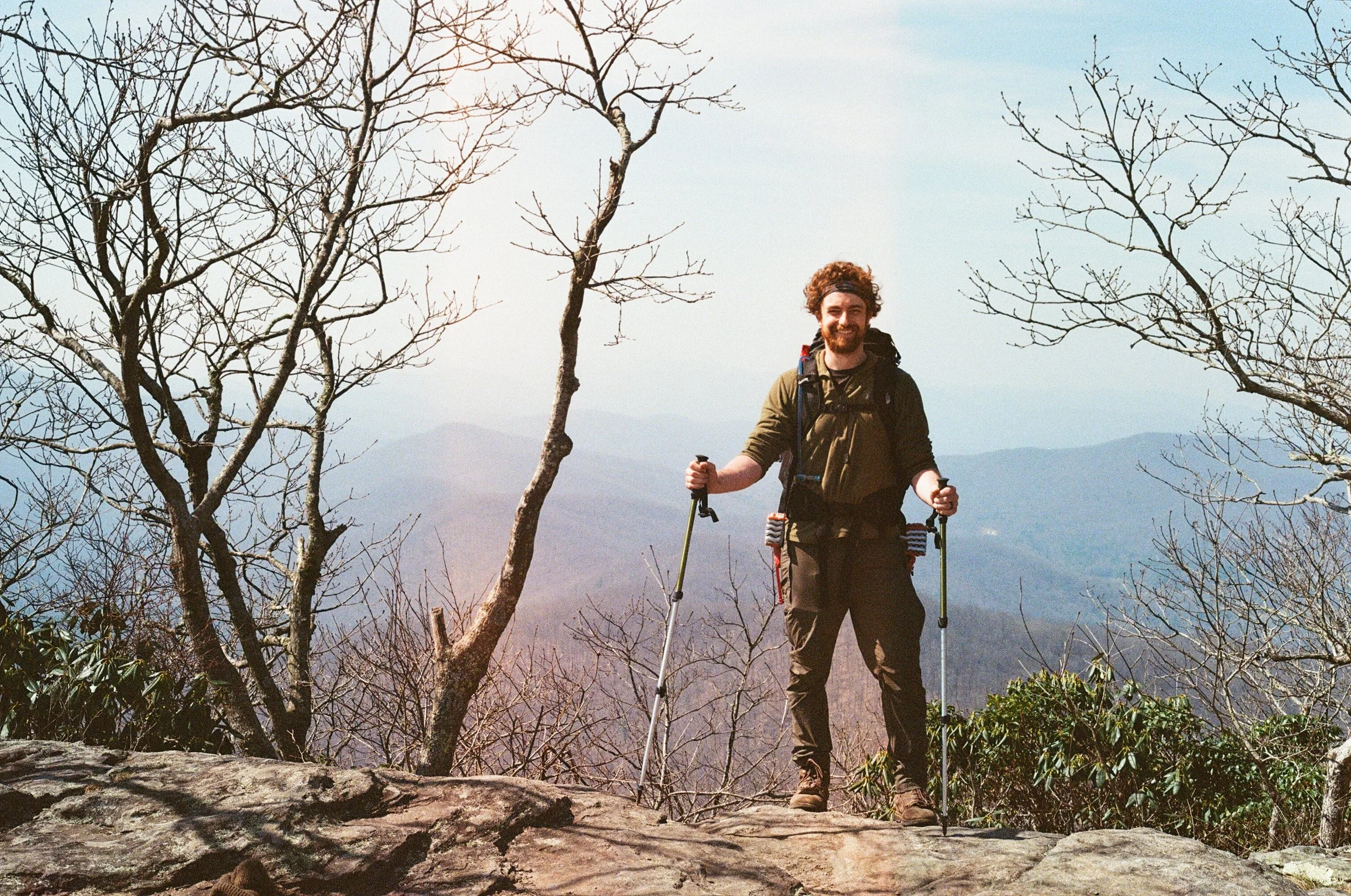
Robert W. Toot
I grew up making things. My father was a furniture maker who worked with wood, slate, and willow. Bending, shaping, understanding materials at a deep level. From childhood, I was learning how things come together, how craft demands both precision and intuition.
I pursued architecture because I wanted to design spaces and understand systems. But I didn't follow a straight path. Before architecture school, I worked. Heavy equipment operator, mechanic, labor that grounded me in how the real world actually functions. That experience shaped everything about how I approach design. I learned that buildings have to work for the people building them and the people living in them.
My architecture education at BGSU and University of Michigan was rigorous and speculative. I studied under mentors who taught me to use drawing as a method of discovery, to engage complex problems abstractly while remaining grounded in real constraints. I designed food systems infrastructure. Speculative work exploring how design could support decentralized local networks. That work directly shaped what Black Flag does today.
What matters most to my approach to architecture comes from before I studied it formally. From making furniture with my hands. From an intimate understanding of materials and their limits. From spending time building shelters in forests and learning how temporary structures function. From skateboarding and understanding how space can be used, occupied, and moved through in unexpected ways. These experiences taught me that spaces shape how people feel and that design is fundamentally about listening.
After graduating, I worked to understand the business side of architecture. Contracts, processes, professional practice. That experience clarified what I wanted Black Flag to be. A practice rooted in rigorous research, material honesty, and design that actually serves communities. A space where speculative thinking becomes real work for real people.
Today, Black Flag operates as a workshop in the truest sense. Collaborative, multimodal, in progress. We design and build structures, but we also make things. I still craft gourd banjos and work with leather and natural materials, exploring how traditional craft methods inform contemporary design thinking. We bring the same approach to every project: careful listening, honest structure, lasting impact.